
|
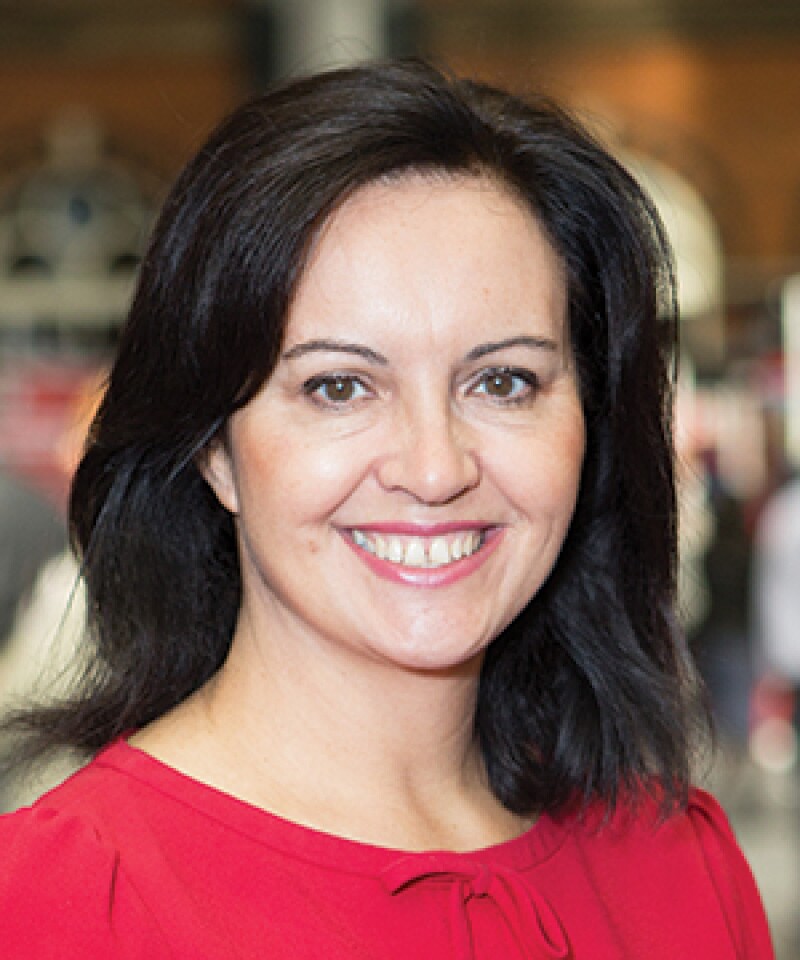
Caroline Flint is a new entry this year |
Caroline Flint has been on a mission to make country-by-country reporting (CbCR) public over the past year. In September 2016, Flint and a number of cross-party MPs claimed victory for corporate tax transparency after the government accepted a legal amendment to the Finance Bill 2016. The amendment gives the government the power to make companies' CbC reports, which show the companies' tax and revenue information, public.
"I was delighted to secure this," Flint told International Tax Review. "It put public CbCR on the statute. And why is this important? Because we know that multinational companies can find ways [to minimise their tax liabilities] through moving their profits and short-changing countries where they should be paying tax. Too often, companies and individuals have hidden behind commercial confidentiality or privacy, which I think has been abused. That is bad for those businesses and individuals that are not abusing."
Flint's work started in the autumn of 2015, when she became a member of the public accounts committee, which among other things keeps a close eye on the tax authority's (HMRC) work. For several years, the committee had been discussing how much transparency is necessary to understand how companies operate and ensuring they are paying their taxes. "This came to a head when we had a hearing into Google's £131 million ($184 million) tax settlement with the HMRC. We were interested in how they arrived at that amount of money, but also in the extreme secrecy and confidentiality surrounding the statement. The result was that we felt we needed more transparency, which started a nine-month campaign to get the government to realise that public CbCR is something that we should support."
Although the amendment to the bill has been accepted, the work is far from over for Flint. The government now has the power to make CbC reports public, but it is up to the lawmakers to use this power. Flint said that the government had suggested that it did not want to use this power for competitive reasons – there was a fear that the UK might lose businesses that do not want to publish their tax and profit information.
In 2017, Flint will continue to press the government for action and get confirmation of which countries need to sign up to public CbCR before the government is willing to implement it. "Having achieved this change in the law, we have to make sure that we keep up the momentum and find answers to some of the barriers the government might put forward. What's important to me, is that this doesn't become an enabling power that never gets enabled," Flint said. "I'd like to see businesses stepping up and providing their tax information to the public regardless of what the government is doing. That would do huge amounts to the reputation of businesses."
The EU's actions on CbCR will be another area of focus for Flint in the coming year. "The EU has proposed, I would say, a little watered-down version of CbCR, so [I will be] encouraging the EU to go further," Flint said. "Once you get into this area, there's a whole host of things that you realise need closer scrutiny, and transparency is at the heart of it all."
The Global Tax 50 2016 |
|
|---|---|
The top 10 • Ranked in order of influence |
|
2. The International Consortium of Investigative Journalists |
|
3. Brexit |
4. Arun Jaitley |
5. Jacob Lew |
|
10. Donald Trump |
|
The remaining 40 • In alphabetic order |
|








