|
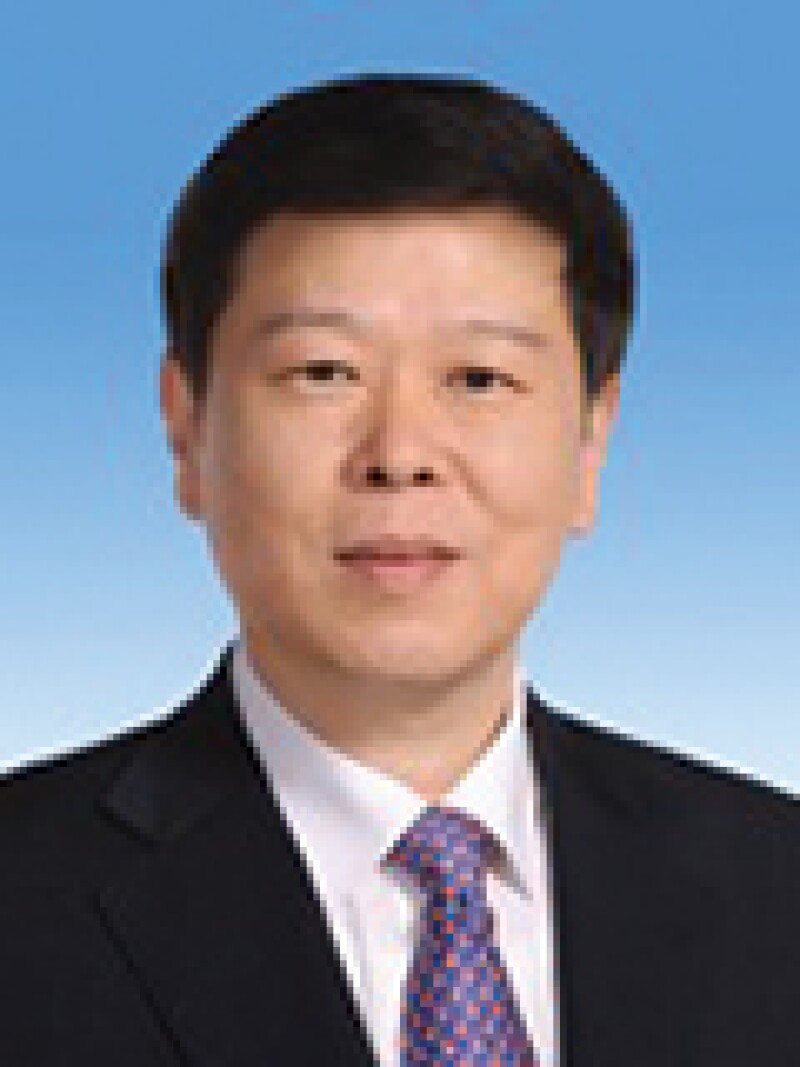
Wang Jun, China's commissioner for the State Administration of Taxation (SAT) in the Republic of China, has continued to hold an influential position in the biggest developing country's complex tax system.
Celebrating his third year in the Global Tax 50, his influence on taxation is unending. International Tax Review talked to the commissioner about the key tax developments in China and found out what China will focus on in the year ahead.
China's tax system has undergone a significant amount of tax reform in 2016. Its work in the G20 Summit and the Forum on Tax Administration 2016 has led to a number of fiscal policies being released that are aimed at strengthening China's tax system. During the Forum, Wang said that the next five years will be crucial for China to achieve taxation modernisation.
He highlighted the transformation of China's indirect tax system, which has replaced its business tax with a VAT model, as the most significant tax development for China in 2016. It is the largest tax reform that China has had since 1994 and is expected to relieve pressure for taxpayers at a time when economic growth has slowed. Wang said it is an attempt to contribute Chinese "wisdom" to the development of global indirect tax models. A major challenge of implementing VAT, according to Wang, was to reduce the tax burden and decrease the compliance burden for all sectors that applied for the tax on May 1. "I am proud to say that I have delivered on the promise," Wang said.
China's introduction of VAT is a notable development for jurisdictions that are preparing to implement an indirect tax. Reflecting on its implementation, Wang highlighted the following three points as key to its progress. "First, tax reforms shall be conducted in close and appropriate response to the demands of economic development of a country at different stages. Second, the implementation of institutional reforms needs to be supported by corresponding reforms at the operational level, i.e. tax administration, service, technology and personnel. Third, for a reform of this scale and impact, it is always important to mobilise resources and wisdom from different levels of the tax offices, from both state offices and local offices, and from other government agencies as well. It is also important to tend to voices of the taxpayers."
Other notable developments include the implementation of the Internet & Tax initiative, which has greatly enhanced the effect and efficiency of tax administration in China. "With the completion of China's revolutionary tax modernisation project, the Golden Tax Project (Phase 3) on October 1, the SAT has, for the first time ever, been able to move all tax data onto the same IT platform, which will in turn be accessible for all levels of tax offices," said Wang.
China has continued its efforts in addressing tax avoidance, enhancing tax transparency and building up capacity for developing countries. Highlighted at the G20 leader's Summit, the extensiveness of participation in the common reporting standard, the multilateral competent authority agreement, the multilateral instrument, and the intensified effort to work together to improve capacity building for developing countries have been noteworthy strides in the BEPS Project.
"The importance of cooperation between tax administrations across countries has also been highlighted, whether for the purpose of better administering the taxpayers or better serving them," Wang said. Meanwhile, the importance of resolving disputes for taxpayers through the mutual agreement procedure (MAP) is well–recognised – the SAT more than doubled human resources devoted to MAP in August 2016.
"I see 2017 as a good time to build on the momentum of the VAT reform to promote VAT legislation in China. The efforts to further reform the relationship between state and local tax offices, optimise tax service, and enhance tax compliance will be continued," said Wang. "On the front of international taxation, the SAT will step up effort to balance its focus on inbound and outbound taxation. It will also further improve some of the existing rules to add more certainty and clarity. Also, with more countries joining hands to foster international cooperation, I have faith in a fruitful 2017 for international taxation."
The Global Tax 50 2016 |
|
|---|---|
The top 10 • Ranked in order of influence |
|
2. The International Consortium of Investigative Journalists |
|
3. Brexit |
4. Arun Jaitley |
5. Jacob Lew |
|
10. Donald Trump |
|
The remaining 40 • In alphabetic order |
|