


Sponsored
-
 Sponsored by Lenz & StaehelinSwitzerland has accepted a greater number of exchange of information (EOI) requests from global actors since 2009, harmonising the otherwise private nation’s banking policies with the OECD’s more transparent standards. Lenz & Staehelin’s Jean-Blaise Eckert and Frédéric Neukomm discuss the changes.
 -
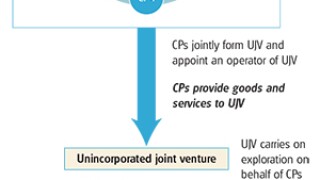
Sponsored by Deloitte Transfer Pricing GlobalEnergy multinationals have complex, international supply chains that contract a host of specialist companies in the process of bringing vital commodities to market, making intellectual property attribution ambiguous. In this primer, Deloitte’s Nick Gaudioso, Randy Price, Nadim Rahman and John Wells give an overview of the energy excavation and production process to understand the tax ramifications.
-
Sponsored by Deloitte Transfer Pricing GlobalOffshore marketing hubs are becoming increasingly commonplace for Australian resource firms in Asia. Deloitte’s John Bland and Milla Ivanova discuss what factors may trigger increased regulatory scrutiny for a multinational under the Australian Taxation Office’s (ATO) risk ratings.
-
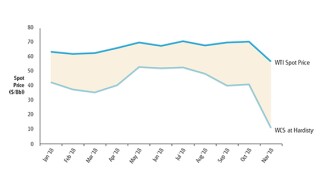
Sponsored by Deloitte Transfer Pricing GlobalVolatile oil markets in 2018 presented significant challenges to Canadian exporters, but a shortage in natural gas production globally presented a complimentary opportunity. Deloitte’s Andreas Ottosson and Markus Navikenas discuss the transfer pricing implications.
-
Sponsored by Deloitte Transfer Pricing GlobalIndia’s rapid growth and energy consumption has seen the government simplify public-private investment partnerships in the upstream oil and gas (O&G) sector. Deloitte’s Bhavik Timbadia and Ankit Goel discuss the transfer pricing (TP) implications.
-
Sponsored by Deloitte Transfer Pricing GlobalSoutheast Asia is a major energy and resource destination market, but its varied geopolitical structure gives rise to a number of unique TP challenges. Deloitte’s Jee Chang See and Avik Bose discuss.